
Preventive Dentistry
Preventive Dentistry
 Preventive Dentistry for Kids: Protecting Little Smiles
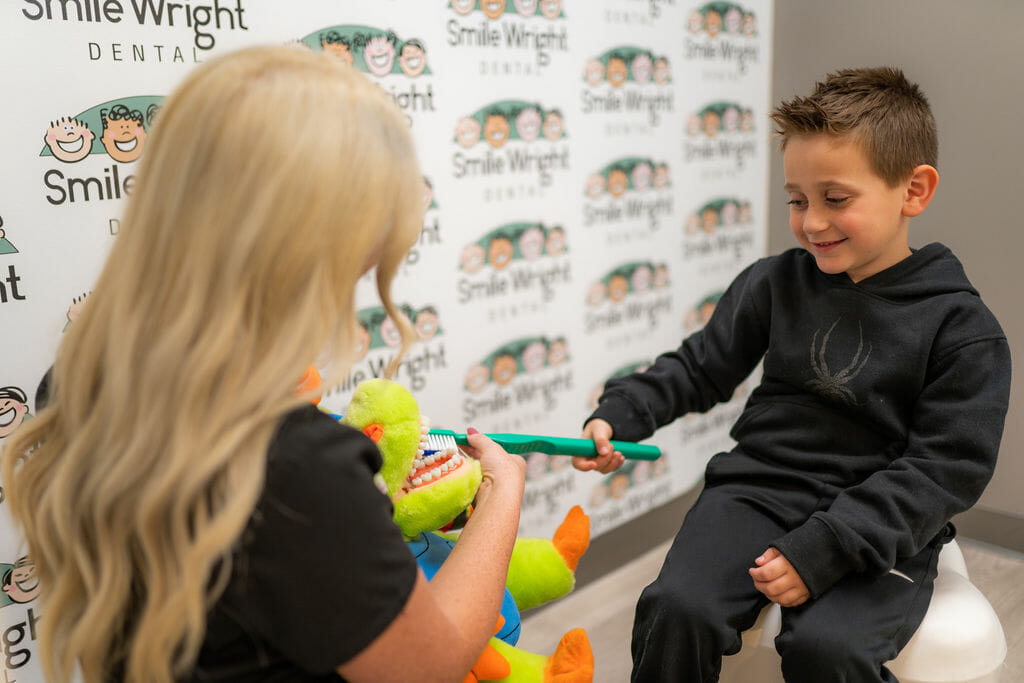
A healthy smile starts early. At Smile Wright Dental in Xenia, OH, we believe that positive dental care in childhood can set the foundation for strong oral health throughout life. Dr. Amber Wright and our caring pediatric dental team are committed to making every dental visit comfortable, encouraging, and educational—helping children feel confident about caring for their teeth. Through gentle preventive dentistry, we help young children, older children, and teens build good oral hygiene habits while protecting developing teeth from tooth decay, gum disease, and other common dental problems.
We understand that a child’s first experiences at the dentist play a significant role in shaping their feelings about dental care as they grow. That’s why we focus on warmth, patience, and communication. Our goal is to support your child’s dental health at every stage, ensuring healthy baby teeth support the proper development of adult teeth later on. From routine cleanings to fluoride treatments, we provide everything your child needs for a lifetime of better oral health.
What is Preventive Dentistry for Kids?
Preventive dentistry focuses on avoiding oral health issues before they become more serious. In pediatric dentistry, this means helping children maintain good oral hygiene, monitoring their growth and development, and identifying potential problems before they become more severe. Preventive dental care also helps protect tooth enamel and reduces the risk of cavities, especially when children are still forming daily habits.
A child’s mouth changes rapidly as baby teeth fall out and adult teeth begin to emerge. Regular dental visits provide us with the opportunity to identify concerns early, promote healthy development, and reinforce good habits.
Preventive dentistry is important because:
- It reduces the likelihood of tooth decay and gum disease.
- It helps children build confidence in caring for their teeth.
- It supports long-term overall health, not just oral health.
- It ensures proper oral development and alignment.
By introducing preventive care at a young age, children are more likely to maintain a healthy smile throughout childhood and into adulthood.
When Should Preventive Care Start?
Preventive dental care should begin earlier than many parents realize. The American Academy of Pediatric Dentistry recommends that children visit the dentist by their first birthday or within six months of their first tooth appearing. While your child’s baby teeth will eventually fall out, they play a crucial role in speech development, chewing, guiding the eruption of adult teeth, and promoting proper jaw growth. Maintaining the health of these early teeth sets the stage for strong oral health habits that last into adulthood.
At Smile Wright Dental in Xenia, OH, Dr. Amber Wright and her dental team welcome very young children and understand how to make early visits positive and stress-free. These appointments focus on gentle assessments, oral hygiene education, and early detection of any concerns that could develop into more significant problems later on. Early preventive care is not just about checking teeth—it’s about building comfort and confidence in the dental office so your child feels at ease as they grow.
Starting preventive dentistry early helps reduce the risk of cavities, gum inflammation, and dental injuries. It also provides parents with personalized guidance on proper brushing, selecting the right fluoride toothpaste, and promoting a healthy diet that supports strong teeth. Early care ensures your child has every opportunity to maintain a healthy, beautiful smile for years to come.
Types of Preventive Dentistry Services for Children
Dental Exams
Professional Cleanings
Fluoride Treatments
Early Intervention Care
Education and Habit Guidance
How Parents Can Practice Preventive Care at Home
Your child’s oral health habits start at home, and small daily routines make a big difference in preventing tooth decay, gum inflammation, and other dental problems. Even with regular dental visits, the majority of preventive care happens between appointments.
At Smile Wright Dental in Xenia, OH, Dr. Wright encourages parents to take an active role in helping their child establish good oral hygiene practices from a young age.
Some simple but effective ways to support your child’s dental health include:
- Brush twice a day with fluoride toothpaste. For very young children, use a rice-sized amount and gently guide them. As they get older, a pea-sized amount is appropriate. Supervise until they can brush thoroughly on their own.
- Make flossing a daily habit. Baby teeth sit close together, trapping food particles that brushing can’t reach. Flossing helps prevent gum disease and decay between teeth.
- Encourage a balanced diet. Limit sugary snacks and drinks. Offer fresh fruits, vegetables, whole grains, and plenty of water to support stronger tooth enamel.
- Establish a consistent routine. Brushing and flossing at the same time each day helps your child build lifelong healthy habits.
With guidance, patience, and encouragement, parents can help children maintain a healthy smile every day.
Why Early Intervention Matters
Early intervention is a crucial component of preventive dentistry, particularly for young children whose baby teeth and adult teeth are still developing. Addressing concerns early allows the dental team to prevent small issues—such as minor tooth decay or early signs of gum disease—from becoming more serious dental problems later on. Dr. Wright focuses on identifying concerns during regular checkups, when they are easiest and least invasive to treat.
Early detection also helps guide the growth and alignment of a child’s teeth, supporting proper chewing, speech development, and overall comfort. When conditions like enamel weakness, habits such as thumb sucking, or spacing challenges are caught early, Dr. Wright can recommend gentle, proactive solutions that protect your child’s long-term oral health.
By taking a preventive approach from the start, families often avoid costly or complex dental treatments in the future—helping children maintain a stronger, healthier smile as they grow.
Building Confidence Through Comfortable Dental Visits
At Smile Wright Dental, we recognize that a child’s first dental experiences can significantly influence their attitude toward oral care for years to come. Dr. Wright and our team strive to create a calm, welcoming environment in Xenia, OH, ensuring that young patients feel safe and supported during every visit.
From gentle explanations of dental tools to patient-friendly communication and a warm, child-focused approach, we help kids feel at ease throughout their appointment. By fostering positive experiences early on, children build confidence in the dentist’s office, making routine dental visits an enjoyable and stress-free part of maintaining their oral health. Comfortable dental visits today encourage lifelong good dental habits, helping your child develop trust in professional care and a positive relationship with their oral health.
How Often Should Children Have Preventive Visits?
Regular preventive visits are crucial to maintain your child’s oral health and catch potential issues early. Dr. Wright recommends scheduling pediatric dental appointments in Xenia, OH, based on your child’s individual needs and risk factors for tooth decay or gum disease.
- Every six months – Most children benefit from routine checkups and professional cleanings every six months to monitor growth and oral development.
- More frequent visits if needed – Children with higher risk of cavities, past dental issues, or orthodontic concerns may require visits every three to four months.
- Special circumstances – Young children just starting their dental care journey or those with special needs may need additional appointments to ensure comfort and comprehensive care.
Consistent preventive visits help protect baby teeth, support the development of permanent teeth, and instill good oral hygiene habits that last a lifetime.
Start Creating Lifelong Healthy Habits
Our approach to preventive dentistry goes beyond treatments—it focuses on building confidence and independence. By teaching children the importance of oral hygiene at a young age, we help them develop habits that support their overall health well into adolescence and adulthood. The goal is a beautiful smile that lasts.
If you’re looking for gentle, supportive, and compassionate pediatric dental care in Xenia, OH, we’re here to help. Dr. Wright and our dental team would love to welcome your child to our practice. Call us at 937-322-5437 to schedule an appointment!